Scare Tactics – Why Do So Many “Public Health Experts” Promote Fear vs. Food?

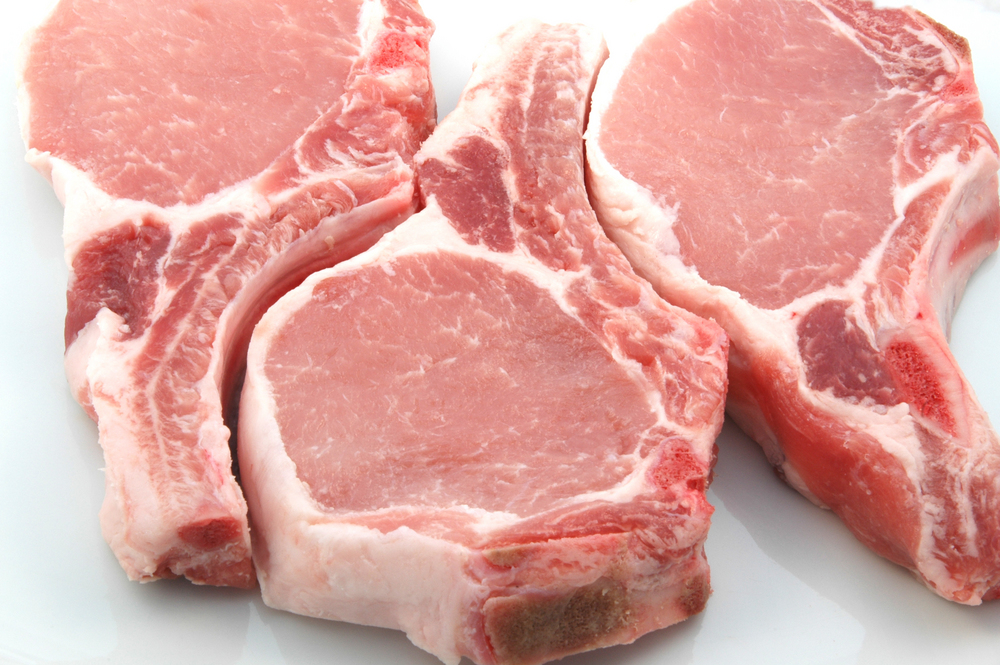
pork chop 1How many of us are motivated by fear every single day? We’d like to think that we’re lucky enough to live in a society where we don’t feel afraid. In contrast to inhabitants of many war-torn regions we are unlikely to be shot as we drive to work; when we’re sick we have the luxury of modern medical attention (Obamacare not withstanding); and we can buy almost any food we fancy, at any time of year and feel safe in our food choices… or can we?

Food safety is an underlying assumption of dietary choice within the USA. We buy food based on three major factors: taste, price and nutrition. Safety isn’t a defining factor in choosing between the cheese quesadilla, the chef’s salad or the T-bone steak because most of us have rarely experienced significant negative health effects as a consequence of food choice (aside from the annual Thanksgiving food coma).

Yet so many food commentators, self-proclaimed experts (I read Michael Pollan therefore I am…) or bloggers appear to exist for the sole purpose of instilling consumer fear. Take this recent article in Salon – 9 reasons why we should fear eating steak – apparently it’s riddled with antibiotics, full of heavy metals and likely to give us all mad cow disease. I’m not going to turn this blog post into a thesis, so today will simply address one of the issues raised in the article, and examine the others in future posts.

I’m a scientist by training. In my career to date, I’ve learned that the more controversial the topic, the more important it is to base claims on sound data that is peer-reviewed and published in order to gain trust. If I present data that challenges perceptions, the first questions are always “Is this published in a peer-reviewed journal? Who funded it? How do I know it’s correct?” That is not to say that science is the only way to communicate – it’s not. Yet when making claims, it’s important to have science, or at least logical and biologically-feasible arguments, to back them up.

Yet, if we’re asking a question, even if it’s a loaded question that may instill fear or doubt into the reader, apparently scientific foundation is redundant. Could combining coffee and bagels in the same meal cause impotence? Is breast cancer caused by the rise in popularity of household pets sleeping on their owners’ beds? Is your tiredness really the result of too little sleep, or could it be all the chemicals that “big food” uses every single day? Hey, I’m just asking! Not making a claim, not saying that X + Y = Z, just throwing the thoughts out there. But having read them, how many of us now are thinking about our sexual performance, the potential ill-effects of Fluffy the cat, or how we really do seem to be more tired nowadays? (note that these really are examples that I have invented, I know of no scientific foundation for any of them).

Possibly the most damaging line in the Salon article contained no data. No scientific foundation. Just a question:

Could Ractopamine, added to the food supply in 1997 with little public awareness1, be contributing to skyrocketing rates of obesity and hyperactivity in children?

The FDA approved the use of Ractopamine in swine in 1999. It’s added to the diet of finishing pigs, improving feed efficiency and partitioning more feed nutrients into lean meat rather than fat (as demanded by today’s consumer). Effectively it allows us to produce more pork using fewer resources, but it has been linked to behavioral changes in pigs.

Most of us are aware that childhood obesity is a huge issue (pardon the pun). Many of us know children that have been diagnosed as having attention deficit hyperactivity disorder (ADHD). So does Ractopamine cause these? It’s as likely as suggesting that eating alfalfa hay is going to make us lactate like dairy cows.

Maximum residue limits (MRLs) exist to make sure that there are no human physiological effects of veterinary drugs in meat, milk or eggs from treated animals. Regulatory bodies including CODEX assess potential human effects of a drug residue in animal products by multiplying the average residue level in food by the average intake. For example, if the residue level is 2 micrograms per 100 grams and the average person eats 300 grams of that food each day, the intake would be 6 micrograms. This intake is then compared to the acceptable daily intake (ADI) – the quantity that could be eaten every day for a lifetime without human health risk. This is usually the intake that would have a physiological effect, divided by a safety factor of one hundred. The MRL for Ractopamine in meat is 0.25 parts per million (0.00000025 grams per gram) with an ADI of 1.25 micrograms per kg of bodyweight per day.

If we examine the average pork intake for a 10 year old child in the USA (detailed calculation below) we see that they’d have to eat 13.3x more pork than the daily average to even equal the ADI – remember that’s the intake at which we would expect no physiological effect. For Ractopamine to have a physiological effect, the ADI would have to be increased one-hundred-fold. So the average 10-year old child would have to eat 1,330x more than the average child’s intake of pork, equivalent to 35 lbs of pork per day, every single day (the average adult only eats 48 lbs of pork in a year), for Ractopamine to have a health effect. My little nieces adore pork sausages, but they are pushed to eat two (approx 2 oz) in a day, let alone 35 lbs worth!

Still think that we can link Ractopamine use to obesity and ADHD? We can’t prove a negative, but it’s as tenuous a link as suggesting that we could drown in a single drop of water. So why are public health “experts” like Martha Rosenberg using fear tactics to scare us rather than extolling the positive contributions that high-quality animal proteins make to the human diet? Surely there’s no agenda there….is there?

1Note that all the data relating to this is freely-available on the internet – the “little public awareness” line is simply more fear-mongering.

Details of Ractopamine calculation

Let’s examine an average child’s intake. The average 10-year-old boy in the USA weighs 32 kg (71 lbs) and needs 34 grams of protein each day. In the USA, meat contributes about 40% of protein intake and about 21% of that comes from pork. That means, on average, a 10-year-old boy would eat about 12 g of pork per day (2.9 g protein).

If Taylor eats 12 g of pork each day at the maximum residue limit of Ractopamine (note that this would be unusually high), he’s consuming 12 g x 0.25/1,000,000 = 0.000003 g Ractopamine. His ADI = 1.25 micrograms x 32 kg bodyweight = 40 micrograms, or 0.00004 grams. That’s 13.3x higher than his intake. So a child could eat 13.3x more pork than average, every single day, and not be expected to have any physiological effects. For ingested Ractopamine to have a physiological effect he would have to eat 100 times that amount – 16 kg, or 35 lbs of pork per day. To put that into context, the average adult eats 48 lbs of pork in a year.
Are We Increasing Resource Use and Taking Beef from the Mouths of Hungry Children?

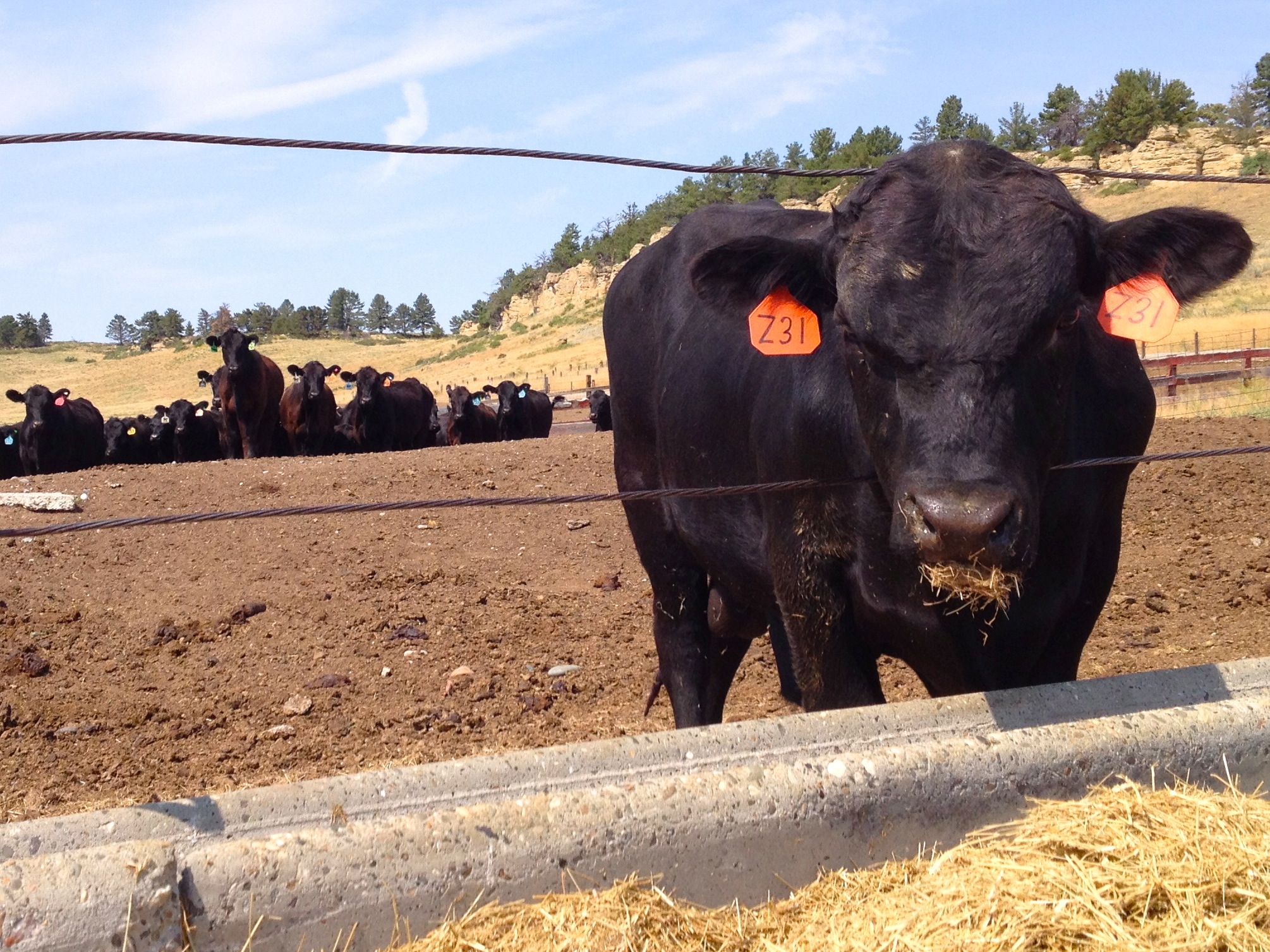
Bull eatingCan we really afford to lose the sustainability advantages that productivity-enhancing tools provide?

Beta agonists have been a hotly debated topic in the media recently, after it was suggested that the use of Zilmax™ might be related to welfare issues in supplemented cattle (see note 1), and Tyson announced that they would not purchase cattle produced using the feed supplement.

As the global population increases and consumer interest in food production sustainability continues to grow, we know that to maintain the continuous improvements in beef sustainability that we’ve seen over the past half-century, we need to ensure that economic viability, environmental responsibility and social acceptability are all in place. All cattle producers obviously have the choice as to what tools and practices are used within their operation, but what are the big picture environmental and economic implications of removing technology use from beef production? Let’s look at two tools – beta agonists and implants (see note 2 below for an explanation of these tools).

Figure 1. Extra Cattle NeededIn a traditional beef production system using both tools, we’d need 85 million total cattle (see note 3) to maintain the U.S. annual production of 26 billion lbs of beef (see note 4). If we removed beta-agonists from U.S. beef production we’d need an extra 3.5 million total cattle to support beef production; losing access to implants would require an extra 9.9 million cattle; and removing both tools would increase total cattle numbers to 100 million (a 15 million head increase) to maintain the current beef supply (see note 5).

If we need more cattle to maintain beef supply, we use more resources and have a greater carbon footprint.

If we removed beta-agonists, we would need more natural resources to maintain U.S. beef production:

  • More water, equivalent to supplying 1.9 million U.S. households annually (195 billion gallons)
  • More land, equivalent to an area just bigger than Maryland (14.0 thousand sq-miles)
  • More fossil fuels, equivalent to heating 38 thousand U.S. households for a year (3,123 billion BTU)

If we removed implants, we would need more natural resources to maintain U.S. beef production:

  • More water, equivalent to supplying 4.5 million U.S. households annually (457 billion gallons)
  • More land, equivalent to the area of South Carolina (31.6 thousand sq-miles)
  • More fossil fuels, equivalent to heating 45 thousand U.S. households for a year (3,703 billion BTU)

If we removed both beta-agonists and implants, we would need more natural resources to maintain U.S. beef production:

  • More water, equivalent to supplying 7.3 million U.S. households annually (741 billion gallons)
  • More land, equivalent to the area of Louisiana (51.9 thousand sq-miles)
  • More fossil fuels, equivalent to heating 98 thousand U.S. households for a year (8,047 billion BTU)

Water infographic

Land infographicFuel infographicBeef production costs would also increase if these tools weren’t used. Feed costs would increase by 4.0% without beta-agonists, 8.1% without implants and 11.0% without both tools. These costs ultimately would be passed on through every segment of the beef supply chain (including the retailer or food service segment) and ultimately onto the consumer, making beef a less-affordable protein choice.

In a world where one in seven children currently do not have enough food, keeping food affordable is key to improving their health and well-being. If we use productivity-enhancing tools in one single animal, the extra beef produced is sufficient to supply seven schoolchildren with their beef-containing school meals for an entire year. Is that a social sustainability advantage that we can afford to lose?

Although animal welfare is paramount for all beef production stakeholders from the cow-calf operator to the retailer, it is possible that the consumer perception of productivity-enhancing tools  may be harmed by negative comments on media articles relating to Zilmax™. There is no doubt that we will need to use technologies within food production in order to feed the growing global population, yet we need consumer acceptance of both the technologies that we use, and the reasons why we use them, in order to continue to secure market access for U.S. beef.

Consumer acceptance therefore needs to be a key component of our mission to continuously improve beef sustainability. That does not mean giving in to the uninformed whims of those who blithely assert that we could feed the world by returning to the production systems of the 1940’s or ’50s, but does offer an opportunity to reach out, listen to and engage in a dialogue with our friends, family, customers and colleagues about the advantages that technology offers. We have a bright future ahead, but only if we keep the torch alight.

To read more conversation about the use of technologies within beef production (including the real-life experiences of feedyard operators who use these tools) and for facts and figures relating to beef production, please check out the following websites: Feedyard Foodie, Ask a FarmerFacts About Beef, and the U.S. Farmers and Ranchers Alliance.

Footnotes

1) Merck Animal Health have since pledged to conduct a thorough investigation into the issue and have temporarily suspended Zilmax™ sales in the U.S. and Canada.

2) Beta agonists are animal feed ingredients that help cattle maintain their natural muscle-building ability and add about 20-30 pounds of additional lean muscle instead of fat. Implants (sometimes called growth promotants or growth hormones), are placed into the ear and release hormones slowly, helping cattle maintain natural muscle-building ability while also decreasing the amount of fat gained. 

3) Includes beef cows, calves, bulls, replacement animals, stockers and feedlot cattle plus calves and cull cows from the dairy system.

4) Although this is a considerable amount of beef, it’s still not enough to fulfill current demand for beef in the USA and overseas. 

5) This work was presented as a poster at the Joint Annual Meeting of the American Dairy Science Association and American Society of Animal Science in Indianapolis, IN in July 2013. The poster is available for download here

Putting Ourselves in the Cow’s Hooves?

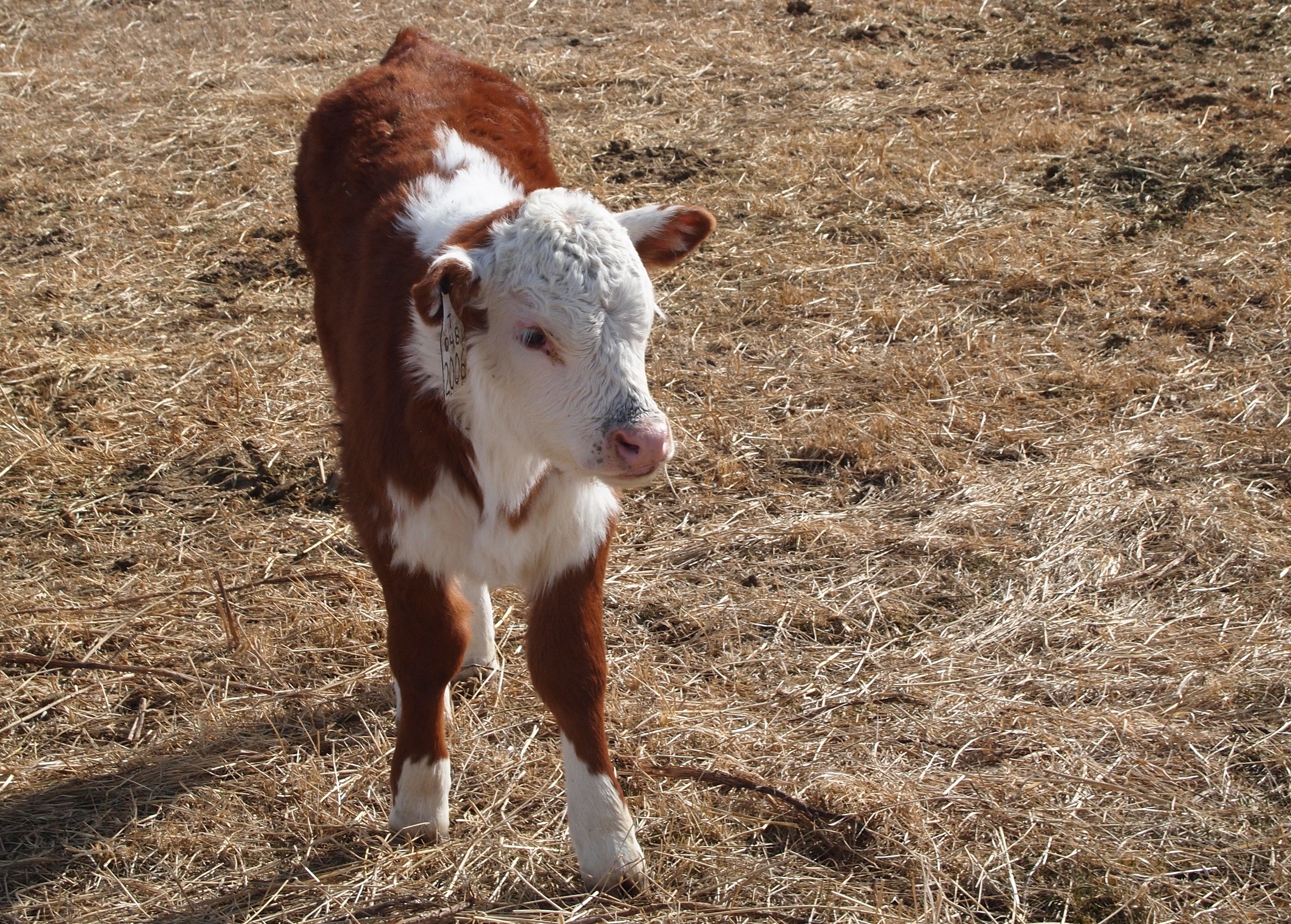
Angus heiferIf you could walk like a cow, look like a cow, experience what it’s like for a cow to go to slaughter, would you eat less meat*?

Stanford researchers are trying to answer this question by putting people on their hands-and-knees and giving them a virtual reality helmet so that they see themselves as a cow on her way to slaughter, then documenting whether their meat consumption changes over the following week.

I am no psychology scholar, but surely the short-term response to such an ill-conceived experiment would be “heck yeah!” providing that the participant didn’t have a psychopathic-level lack of empathy? As humans, we are well-equipped to understand short- and long-term consequences, we know that the interaction between a cull cow and a captive bolt is unlikely to end happily, and just the atmosphere of a slaughterhouse would be enough to turn many people’s stomachs.

So, is this research addressing a crucial knowledge gap? After all, many of us want to know more about the food that we eat each day – perhaps being able to empathize with a cow would help us make better choices? I suspect that if all those who routinely buy grass-fed dairy or beef “experienced” life as a pasture-fed dairy cow on a rainy February day in upstate New York might change their mind about the relative welfare benefits of housing vs. pasture.

Alas no, this is less about animal-human interactions, and more about reducing the perceived environmental impact of our dietary choices. The head researcher states that: “In this case, empathy toward the animal also coincides with an environmental benefit, which is that [not eating] animals consumes less energy.”

Here’s a thought. Let’s all embrace our inner cows and reduce our meat consumption accordingly – we could make it yet another rationale for adopting Meatless Mondays! We’ll cut the US’s national greenhouse gas emissions by less than one-third of one percent but it’ll make us feel better about ourselves as we tuck into our salad sandwich.

Just one thing though – the wheat harvested to produce that bread caused the death of 25x more animals than are killed to produce a lb of meat. Time to don the virtual reality helmet again and see yourself as a fieldmouse with a combine harvester bearing down on you… I’ll take the captive bolt over the combine harvester blades every time thanks.

*Many thanks to Dr. Jennifer Thomson for bringing this article to my attention.

Are We Producing More Food…and Feeding Fewer People?

Waste foodI’m ashamed to admit that the picture to the left is of the lunch table that a media colleague and I left last week – after spending an hour lamenting the fact that in the US, 40% of food is wasted (30% globally). Admittedly, that waste isn’t all down to restaurant portions (in our defense, we both had to fly home, so doggie bags weren’t an option) – however, according to FAO data here, consumer waste accounts for anything between 5% (in Subsaharan Africa) and 39% of total waste (North America and Oceania). The difference (anything from 61% – 95%) is made up from losses between production and retailing.

Losses from production to retail comprise by far the biggest contribution to waste in the developing world, which makes absolute sense – if food is your biggest household cost and hunger is a constant and real danger, the concept of wasting purchased food would seem ridiculous. In the developing world, a myriad of factors play into food insecurity including low agricultural yields, lack of producer education (particularly for women, who are often the main agricultural workers), political instability and military conflict (Pinstrup-Andersen 2000). However, possibly the biggest threat to food security is a lack of sanitary and transport infrastructure (Godfray et al. 2010) – building a milk pasteurization plant is a great opportunity to improve shelf-life, but can only be effective if producers have the facilities to refrigerate and transport milk. Improving tomato yields can reap economic dividends, but if they are transported to markets packed into plastic bags on the back of a bicycle, the wastage is huge. I’m not going to pretend I have the solutions to global food wastage, but what can we do in our own households?

Just as our grandparents learned during WWI and WWII – when food is scarce, you make the most of every single drop of milk or ounce of grain. Yet in the modern developed world, we can afford to waste almost 2/5 of our household food through not understanding expiration dates (cheese does not spontaneously combust into a listeria-ridden ooze at midnight on the day of the expiration date); throwing away the “useless” parts of food waste (radish leaves and wilted celery are actually really good in soup); or simply buying more than we need. In a recent study of greenhouse gases associated with US dairy production, the carbon footprint of a gallon of milk was increased by almost 20% simply because of the amount of “old” milk that consumers poured down the sink each day.

To go back to the picture above, it’s tempting to blame the restaurants – portion sizes tend to be huge, so in this carb-conscious world, it’s not “our fault” if we forgo the last 500 calories by leaving half a plateful of potato chips – they should have just served a smaller portion in the first place, right? Well, maybe. If we’re feeding dairy cows or beef cattle and seeing more than 5-10% feed unconsumed, we’ll reduce the amount fed. I’m sure that exactly the same practice would pay dividends in the restaurant world, and I’d be willing to bet that they could charge exactly the same price.

I spend most of my time myth-busting, showing that the modern beef and dairy industries are far more efficient than the farming systems of 40 or 70 years ago and that we now produce more food using far fewer resources. However, are we really feeding more people if we’re wasting 40% of our food? To suggest that we return to a practice from the WWII era feels almost heretical, but here’s an idea – rather than defining “sustainable” systems as those producing artisan cheeses from heirloom breeds cared for by hemp-wearing liberal arts graduates, why doesn’t every restaurant (or suburb) have a small herd of backyard pigs? Collect the waste food, boil it for 30 min to avoid disease issues, feed to pigs, produce bacon. What could be better? Admittedly, my mother country has banned this practice (I’m beginning to wonder if anything will be permissible in Europe soon), but let’s start the pigswill revolution! Doesn’t “You don’t have to eat that last potato, it’ll make some really good bacon and help us feed those 1 in 7 kids in our local area who don’t have enough food” sound more realistic than “Think of all the starving orphans who would enjoy your PB&J sandwich” (to which the continual smart-a** answer was “I’ll just mail to to them). Let’s do what the livestock industry does best – recycle waste resources to make safe, affordable, nutritous meat!

Putting Beef Hormones into Context (AKA “How do you Make a Hormone…?”)

No Twinkies!Disclaimer – the alternative title is the start of one of my favorite jokes – in the interests of keeping this post PG-13, I’ll post the punch line at the end.

It never ceases to amaze me how selectively paranoid we are as a society. I know I’m not alone in avoiding certain behaviors because they seem too risky – I always wear my seatbelt (even in a pick-up driving at 10 mph through a pasture), I don’t put my phone in my lap (who knows what invisible radio waves are frying my internal organs?) and I’m convinced that if I eat a Twinkie (RIP?) it’ll instantly turn me into 400 lb couch potato. Yet I also drive too fast on the interstate, drink enough coffee to keep a polar bear wired for days and have the misguided impression that I can survive on 4 hours sleep per night (thank you NCBA Cattle Industry Convention 2013 for proving me right last week). There’s no doubt that I’m more likely to come to harm from the latter set of behaviors than the former, so why the dichotomy?

It appears to comes down to two main factors:

  • The perception of relative risk – am I more likely to be injured from driving fast or from not wearing a seatbelt?
  • The extent of our knowledge about the subject – I know what risks come with caffeine consumption and I accept them in exchange for improved work productivity, but who knows how addictive Twinkies really are? There’s a reason they’re sold in multi-packs…

Thanks to the preponderance of media articles and books about food production, we’re more educated as a society than we were 10 years ago, yet we still fail to understand the concept of relative risk:

  • Environmentally, the Meatless Mondays campaigns appear to make people feel good about saving the planet even as they drive their Hummer to Whole Foods to buy quinoa and kale salad for dinner
  • Socially, reusing grocery bags reduces waste, yet appears to come with a far higher risk of contracting E. coli (thank you David Hayden)
  • Healthwise, I have lost count of the conversations I’ve had with highly educated, health-conscious women who have stopped feeding beef or milk to their kids because of the hormones used in beef or dairy production. Yet this is one area where we have a huge amount of data, we just need to put it in context.

The birth-control pill contains almost 7,000x more estrogen than a steakYes, an 8-oz steak from a steer given a hormone implant contains more estrogen than a steak from a non-implanted animal. 42% more estrogen in fact. That’s undeniable. Yet the amount of estrogen in the steak from the implanted animal is minuscule: 5.1 nanograms. One nanogram (one-billionth of a gram or one-25-billionth of an ounce) is roughly equivalent to one blade of grass on a football field.

By contrast, one birth-control pill, taken daily by over 100 million women worldwide, contains 35,000 nanograms of estrogen. That’s equivalent of eating 3,431 lbs of beef from a hormone-implanted animal, every single day. To put it another way, it’s the annual beef consumption of 59 adults. Doesn’t that put it into perspective?

If birth-control is a sensitive subject, let’s compare it to vegetables: one 8-oz serving of cabbage = 5,411 nanograms of estrogen, over 1,000 times more estrogen than the same serving size of steak from a steer given a hormone implant. Yet Huffington Post, TIME magazine et al. aren’t up in arms about the dangers posed by cabbage consumption (NB. ~4,000 cabbage producers in the USA, please don’t send me hate mail, this is just an example).

Hormones are directly or indirectly responsible for everything that we do each day, from waking up to going to sleep, from the mundane to the life-changing. Yes, they are an intrinsic part of childhood development, yet the earlier ages at maturity we’re currently seeing in children have been attributed to increased levels of body fat (i.e. childhood obesity), not to exogenous hormone consumption. I’m not downplaying the consequences that hormones have on our long-term health and survival, just asking for a little balance – after all, where’s the risk in that?

*Oh, and the punchline to the joke above… “Don’t pay her!” (Sorry….)

Meatless Mondays.. or More Veg Mondays?

I consider myself to be an omnivore. I love meat – the smell of grilling beef or lamb turns me into a human version of Scooby Doo drooling and begging for a Scooby snack, and I’ve been known to arm-wrestle people for the last bratwurst. I love vegetables even more than meat – anyone examining my grocery-shopping list might conclude that I have an entire colony of rabbits to support with radishes, asparagus and zucchini, and I simply don’t understand those people who don’t find immense pleasure in eating “green stuff”. Given that the Meatless Mondays campaign apparently aims to “introduce consumers to the wide variety of healthy, delicious plant-based foods available”, you might think I’d be all over it like butter on a baked potato (be still my beating heart). Yet the very phrase causes my blood pressure to rise. Snacking on carrots, celery and olives in Delta Airlines’ Sky Lounges rather than buying deep-fried Taco Bell at the airport fills me with joy, but when I order a pizza, it’s always the vegetarian supreme…with added Italian sausage.

There it is – the added sausage. Meaty, spicy goodness that adds another layer of flavor to my pizza and that, as meat, I consider to be an essential component of my diet. In the US we are more food-centered than ever before – Facebook albums are titled “food porn” and chefs are celebrities. Yet we also seem to be moving towards a culture where individual foods or nutrients are demonized. “Fat-free” and “sugar-free” are marketing terms that imply that specific nutrients are undesirable in our diet; whole aisles are devoted to gluten-free foods despite the fact that celiac disease found in less than 1% of the population; and who doesn’t have a friend who is diligently avoiding carbs, dairy or red meat on “health grounds”? Why has our society evolved to the point where those who can afford the greatest variety of foods are the most likely to demand a gluten-free, dairy-free, low-carbohydrate, macrobiotic diet as a mark of their elite status?*

Abstinence, whether on dietary or moral grounds, has always been synonymous with purity, sacrifice, and a certain level of sanctimoniousness. I am purer than you because I don’t give in to my dark desires for <<insert your sin of choice here>>. The Meatless Mondays campaign plays the abstinence hand beautifully – give up your selfish meat-eating habits for one day per week and you too can save the world by eating a bean burrito. The Humane Society of the United States inevitably supports the Meatless Mondays campaign, their comment (expressed verbatim in almost every press-release) being that it “helps spare animals from factory farms, helps our environment, and improves our health”. If “meatless” is the way forwards, meat must be an undesirable food and vegetarian diets must be healthier, just as fat-free Oreo cookies would be presumed to be a wiser nutritional choice than regular Oreos (interestingly, their calorie contents are almost identical). Yet the national carbon footprint would be reduced by less than half of one percent if everybody adopted Meatless Mondays for an entire year, and the propounded effects of meat consumption on health have not been borne out by science.

When a school district or college campus adopts the Meatless Mondays campaign, I don’t hear the buzz of black helicopters and see the hand of Wayne Pacelle on the throttle. However, I am deeply disappointed that a campaign demonizing meat consumption, suggesting that eating a hamburger is comparable to the environmental equivalent of driving at 120 mph in a Hummer or the health effects of smoking 20 cigarettes per day, is considered by so many to be a positive move forwards in feeding a hungry world. I am not suggesting that we should all eat a 16 oz T-bone steak for every meal, or that vegetarianism or veganism are not valid dietary choices. Indeed, I propose that meat-eaters be afforded the same courtesy as vegetarians or vegans – to choose foods according to their individual or religious beliefs.

So what is the future for Meatless Mondays? It’s very simple. If this campaign really aims to expose people to a wider range of vegetables and plant-based food choices, let’s simply christen it “More Veg Mondays”. Have an extra helping of broccoli with your steak, try eggplant parmegana alongside your hotdog, or replace crackers with raw celery and radishes. Rather than demonizing individual foods, let’s celebrate the fabulous variety of choices that are available to us and that allow us the opportunity to eat a balanced diet every single day. Ironically, yesterday my Monday was almost meatless – I spent the day traveling and subsisting on dried mango, chocolate-covered coffee beans and vitamin water in Chilean airports. However, I made up for it once I reached Córdoba – the Iberian ham on my pizza was the best I ever tasted, and made better by the rocket, tomatoes and olives that accompanied it (see picture above). Eat more vegetables? In an instant. Give up meat on Mondays? As Charlton Heston would say: only when you pry it from my cold dead hands.

*Please note that I do not include those who have demonstrable food allergies in this group

Can We Please Have Calls for Moderating Meat Consumption… in Moderation?

Do we need to moderate meat consumption in order to feed the world in 2050? Given beef producers’ track record of ingenuity, it’s possible but not probable.

A Twitter follower (Tweep? Twriend? Twquaintance?) asked yesterday whether we could really supply 9+ billion people with 250 lb of meat per capita in 2050. The question stemmed from a recent paper in which Stockholm scientists claimed that we would all have to reduce meat consumption by 75% by 2050 in order to have enough water to supply the population, and a subsequent rejoinder from the American Society of Animal Science in which several scientists noted the flaws in the Swedish paper, the importance of animal-source foods in the diet and the use of marginal land for grazing livestock.

On Twitter, the comment was made that there appear to be two distinct sides to this argument – one side (the environmentalists and anti-animal agriculture groups) warning that we need to drastically cut meat consumption in order to feed everybody, and the other (the meat industry) turning a blind eye and effectively promoting the idea that we can eat all the meat that we like without having any environmental impact.

Globally, we’re nowhere near 250 lb meat consumption per capita, even US consumers who are often portrayed as meat-guzzling bacon-o-philes by the Huffington Post et al. have an average annual consumption of 171 lb according to the USDA. As current beef consumption is 58 lb per capita in the USA, that’s a lot of pork and chicken that will presumably make up the difference. There’s no doubt that increases in both population size and per capita income in regions such as China and India will have a significant impact on global meat consumption by 2050. However, I have to admit I find the “blind eye” comment a little hard to swallow, given, for example, the beef industry’s commitment to measuring and mitigating both resource use and carbon emissions through current life cycle analysis research, and involvement with groups such as the Global Roundtable for Sustainable Beef.

There is no doubt that beef production uses considerable amounts of land and water, yet should we expect producers to effectively shoot themselves in the foot and suggest that consumers forgo a cheeseburger in favor of an alfalfa sprout salad? Isn’t improved efficiency a characteristic of every successful industry? The motor industry is a major contributor to environmental concerns, yet automobile manufacturers aren’t saying “we’re going to produce cars in the same way that we did in the ‘50s, you’ll just have to drive less”. Instead, the message is something akin to “we’re making cars more energy-efficient so that you can continue to drive without worrying about your car’s environmental impact.

That’s exactly what the beef industry has done, is doing and will continue to do into the future. Since 1977, the US beef industry has cut water use by 12%, land use by 33% and the carbon footprint of one lb of beef by 16%. Providing that producers are still able to use management practices and technologies that improve efficiency, further reductions should be seen in future. Yet we have to look beyond the idea that the USA can feed the world by itself. I’m writing this post from Brazil, which has a huge beef industry, yet on average, Brazilian beef cattle first calve at 4 years of age, only 67% of cows have a calf each year and beef animals take 3 years to reach slaughter weight. Comparisons to the equivalent US figures (2 years, 91% and 15 months respectively), show the potential for amazing reductions in resource use from Brazilian beef production, and this, along with other less-efficient systems, is where we have to focus in future. It’s not about forcing US-style production on every producer; it’s about enabling producers to make the best and most efficient use of resources according to their management system and region. Brazil has just approved the use of beta-agonists in beef production, which will allow the production of more beef using fewer resources. This is just one step on the road to improved efficiency.

So do we need to moderate meat consumption in order to feed the world in 2050? I’d love to be able to answer this by citing a published paper that has taken improvements in meat industry productivity over the next 40 years into account rather than assuming a “business as normal” outcome. In the absence of such a paper, I’ll give a Magic 8-Ball type answer: Given beef producers’ track record of ingenuity, it’s possible but not probable. Globally, there are huge opportunities for improved efficiency and concurrent reductions in resource use from all meat production systems – the key is not to reduce meat production but simply to produce it more efficiently.

“Humane” Becomes Synonymous with Agenda-Driven Marketing

Over the past few years, certain words have evolved to invoke an involuntary shudder that I cannot suppress. “Sustainability” is first on the list (painfully ironic given that it’s the focus of my entire professional output), as it has so many definitions that it has become almost meaningless. Second place is reserved for “humane” when applied to livestock systems as a marketing term.

Raising animals humanely is an excellent concept; indeed it’s so important that it is already a key focus of the entire beef industry, not simply a niche market of accredited suppliers. National programs such as Beef Quality Assurance (BQA) exist to demonstrate to consumers that cattle are managed correctly. Indeed, recent surveys show that although the majority of large producers are familiar with BQA, even those that aren’t consider the various management practices involved to be important. When I asked a rancher friend how he defined “humanely-raised animals”, he emailed back with:

“To me, humanely-raised animals are provided adequate, balanced nutrition, water, veterinary care and shelter from extreme weather.”

So, we’re all on the same page…right?

Apparently not. In apparent despair at the “self-regulation” performed by the beef industry, Bon Appetit have announced that they will only buy “humanely-raised” meat; sourcing all their loose ground beef and beef patties from suppliers who meet strict animal welfare standards. So who’s defining “humanely-raised” for Bon Appetit? Four independent animal welfare organizations: Animal Welfare Approved (AWA), Food Alliance (FA, my abbreviation), Humane Farm Animal Care (HFAC, my abbreviation) and Global Animal Partnership (GAP). Bon Appetit’s CEO Fedele Bauccio is cited as wanting to change conventional and/or large-scale beef production practices, yet representatives from conventional beef production are missing from the Board of Directors of all four organizations. Instead, Bon Appetit has a seat on the board of both FA and HFAC, and both GAP and HFAC have representatives from the Humane Society of the United States (HSUS) on their boards*.

Without wanting to elevate the omnipotent fear of circling black helicopters still further, independent is an interesting descriptor for these groups as none of them could be considered agenda-free with regards to conventional beef production. Their management standards** certainly lead to some interesting welfare considerations. For example, producers on stage 5 of GAP’s program for beef must not castrate, disbud or brand their animals. I imagine the presumed welfare advantages of not performing these physical alterations will be of great comfort to those trying to corral intact, horned 1,300 lb bulls if they escape from their pasture onto the road. Feedlots are prohibited by AWA’s standards – indeed, AWA are such a friend of conventional production that they even find time to try to debunk the science regarding corn-fed and grass-fed beef production with “we all know…” claims.

Perhaps most alarming are the various attitudes towards pharmaceutical products. AWA states that homeopathic, herbal or other non-antibiotic alternatives are preferred for the treatment of disease, although with the caveat that should they not prove effective, antibiotics may be used. If effective non-antibiotic treatments existed, given the tight margins in beef production, wouldn’t we already be using them? Furthermore, for how long should we try and treat a dehydrated, diarrhea-coated, coccidiosis-infected calf with fairy dust and rainbows before we use an anticoccidial drug? FA states that an animal cannot be sold under the accreditation program if it has received antibiotics within 100 days of slaughter (farewell accreditation premium!) and GAP prohibits therapeutic use of antibiotics, ionophores, or sulfa drugs for market animals. If disease occurs, the producer is economically penalized either way – by removing the animal from the program or by having an untreated sick animal picked out by the buyer. It appears that philosophical ideals and marketing hyperbole may triumph over management practices that are humane by any standards – providing appropriate, effective care to a sick animal.

If Bon Appetit’s aim is to change (improve?) practices throughout the beef industry, the logical strategy would be to listen to and work directly with the farmers and ranchers who produce the majority of the nation’s beef, by interacting with the check-off programs. By catering to production systems that prohibit management practices that enable us to raise safe, affordable, environmentally-sustainable beef, and discourage effective veterinary treatment of sick animals, “humane raising” is anything but.

*Animal Welfare Approved BoardCertified Humane Board; Food Alliance Board; Global Animal Partnership Board 

**Animal Welfare Approved StandardsCertified Humane Standards; Food Alliance Standards; Global Animal Partnership Standards

Vegan is Love. So Omnivore is…Hate?

When I visualize vegans* with kids (and I apologize in advance for the stereotyping but after all, this is a visualization), I have an image of a couple similar to my childhood friend Molly’s** parents. A pair of liberal arts majors, in favor of trying to have rational discussion with a toddler who’s beating her fists on the floor as she has a tantrum in the middle of Safeway, he had a huge beard, she wore hemp and they were both passionately devoted to both Molly’s education and her right to make rational choices as she developed into a miraculous human being.

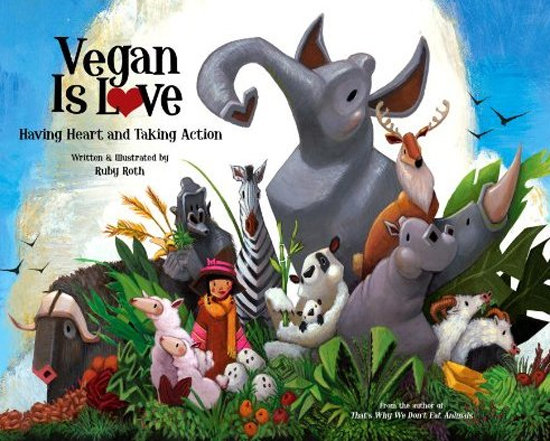
So imagine my surprise when the latest kids book de jour isn’t the beautiful and life-affirming “Guess How Much I Love You“, but “Vegan is Love” a charming tale that paints graphic pictures of the perceived violence that farm animals undergo during slaughter and effectively paints all omnivorous kids as Manson-esque murderers. Reviews on Amazon.com include “Leaping and bounding toward a more peaceable world…” from singer Jason Mraz and similar compliments from the founders of Animal Acres and Farm Sanctuary. Nicely done vegan activists – get the Mommy guilt going and start a “you eat meat so you’re a murderer, get out of my sandbox” clique going in kindergarten.

I never fail to be amazed by just how narrow-minded the focus is of those opposed to animal agriculture, despite their assumed “peace, love and tolerance for all living creatures stance”. Can you imagine the consequences if a similar children’s book was published detailing the horrible life of little Trevor, born with developmental problems due to a severely restricted maternal diet during pregnancy? There would be outrage – how dare the meat-eating majority pick on a vegetable-eating minority… The funny thing is, I’ve yet to hear any omnivorous acquaintance ever seriously assert that vegetarians or vegans should be made to eat meat. Yet the activist vegan contingent are determined to pass their “morals” (note that’s ethical morals, not the delicious fungal morels) onto omnivores and impose dietary choices upon them.

Some states already have abstinence-only sex education, and many schools have “Meatless Mondays”, so what’s next? Vegan-only high school nutrition classes? Herbivorous zoology (no carnivores  allowed)?  The tale of the loaves and fishes rewritten as the loaves and the three-bean-and-lentil-surprise?  Only 1.7% of the population may be actively complaining against modern food production, but they’re not just banging the drum, they’ve hired the whole darn band.

*Before I’m accused of being a meat industry zombie or other such nonsense, I should confess that I was a vegetarian and then a strict vegan from the age of 15-17. I actually turned orange from a sensitivity to beta-carotene.

**Names have been changed 

If Food is the New Religion, Who is the New Messiah?

During the last census in England, there was a social media campaign to persuade people who did not identify with a particular religion, to state “Jedi Knight” in the “religious persuasion” section of the forms. If enough people cited it, it would be officially considered as a religion.

The campaign failed, yet the picture at the top left made me think – just how many people would consider food or “foodieism” to be their religion nowadays? If we consider the concept of “faith” (definition: “complete trust or confidence in someone or something; strong belief in the doctrines of a religion, based on spiritual apprehension rather than proof”), the church sign above appears to explain the behaviors of those who are opposed to specific food production systems or management practices. We can have conversations with the nay-sayers face-to-face, on social media, or even through NY Times competitions, yet if foodieism is a religion, are we wasting our time trying to change their minds with facts?

Fortunately, recent survey data suggests that 94% of consumers buy food on the basis of price, taste and nutrition; 4.4% buy according to lifestyle choices (e.g. organic, vegetarian, local) and only 1.7% are a “fringe” group who wish to prohibit management practices or technologies that have helped us make continuous improvements in food production over the years. Nonetheless, consumers within this small group are extremely vocal, skilled at influencing media and legislation and are devoted to advancing their cause.

Just ask any politician – we can make huge headway influencing the masses in the middle rather than spending time trying to convince a small group to believe in a cause that they are already opposed to. The question is, how do we do so, and how much should we spend time counteracting negative publicity rather than being proactive about food production? If we take the recent lean finely textured beef (LFTB aka. “pink slime”) furor as an example, how many consumers were made aware of the issue not because of negative publicity generated by the media, but because of the huge amount of pushback from our industry via social media? At what point does it make more sense to stay quiet and concentrate our efforts on other issues where we have a chance to move public opinion, rather than fighting losing battles?

Finally, if foodieism is the new religion, who is the new messiah? Michael Pollan, journalism professor preaching food rules and the omnivore’s dilemma? Joel Salatin, wild-eyed prophet of “herbivorous, mob-stocking, solar converting, lignified carbon sequestering, grass-based” systems? Or perhaps Wayne Pacelle, sharp-suited smooth-talker from HSUS? Are PETA billboards and demonstrations the forerunners of foodie door-to-door evangelism? Only time will tell.