10 days ago, I went to the brilliant Exhibition Road Festival. Fab, creative, innovative displays. The Future Food Zone had leaflets (below) and a game where kids could guess the relative carbon footprints of different foods. I couldn’t resist contributing – AKA being a pain in the a**e.


The carbon footprints were arranged from high to low (similar to the graph below) but with moveable labels for beef, chicken, milk etc, so kids could guess which food had the highest footprints. The kids were great at questioning the data, but were also told that cows eat lentils.

So I joined the conversation. Pointed out that cows don’t eat lentils. Talked about by-product foods and the fact that chickens (and humans!) can’t digest the grasses that cows can turn into milk and meat.
Asked whether the graph was per kg or accounted for the nutrients in different foods. Not surprisingly – per kg. The kids answering the quiz then talked about how there would be different footprints according to the metric and the data. They were brilliant! Bright and curious.
Then I got on my hobby horse – talking about the fact that there are no global average farms and therefore the foods that we eat have to have footprints measured at the regional level. Somerset ≠ Argentina ≠ China. The kids agreed.
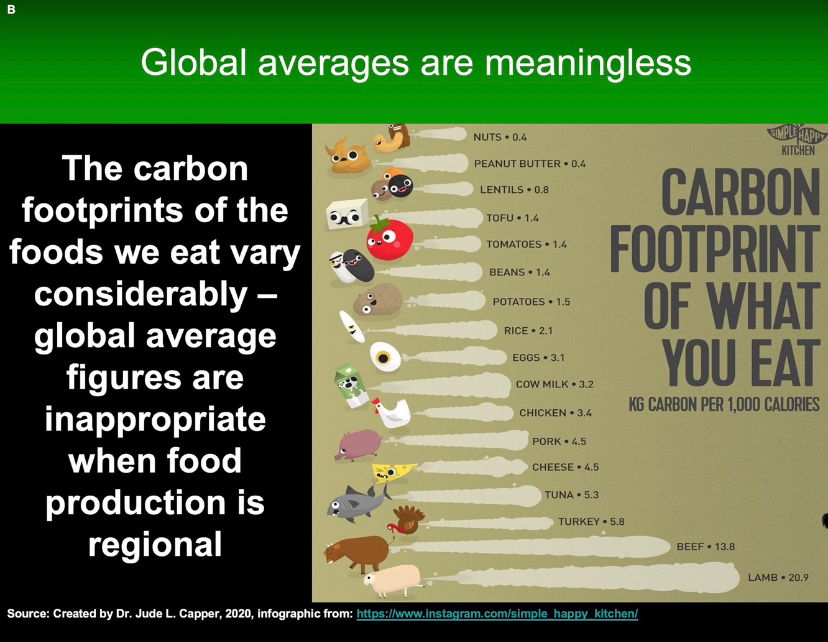
I never thought I’d end up talking about GWP* and methane to ~12-yr-olds, but that was my last point. If I’m honest, I felt sorry for the researcher. She was just trying to promote plant-based foods and didn’t expect to have me poking her with a metaphorical ruminant stick.
But I’m #SorryNotSorry. If a bright, curious child looks at both sides of the science, weighs up the evidence and chooses an omnivorous, or flexitarian, or pescatarian, or plant-based diet, any of those choices are absolutely fine with me.
Yet if kids are only given one side of the argument, one metric on which to base food choices and no information on the wider context (I didn’t even get started on soil quality, biodiversity and dung beetles), then it’s not science. I shall, therefore, continue being a pain in the a**e.

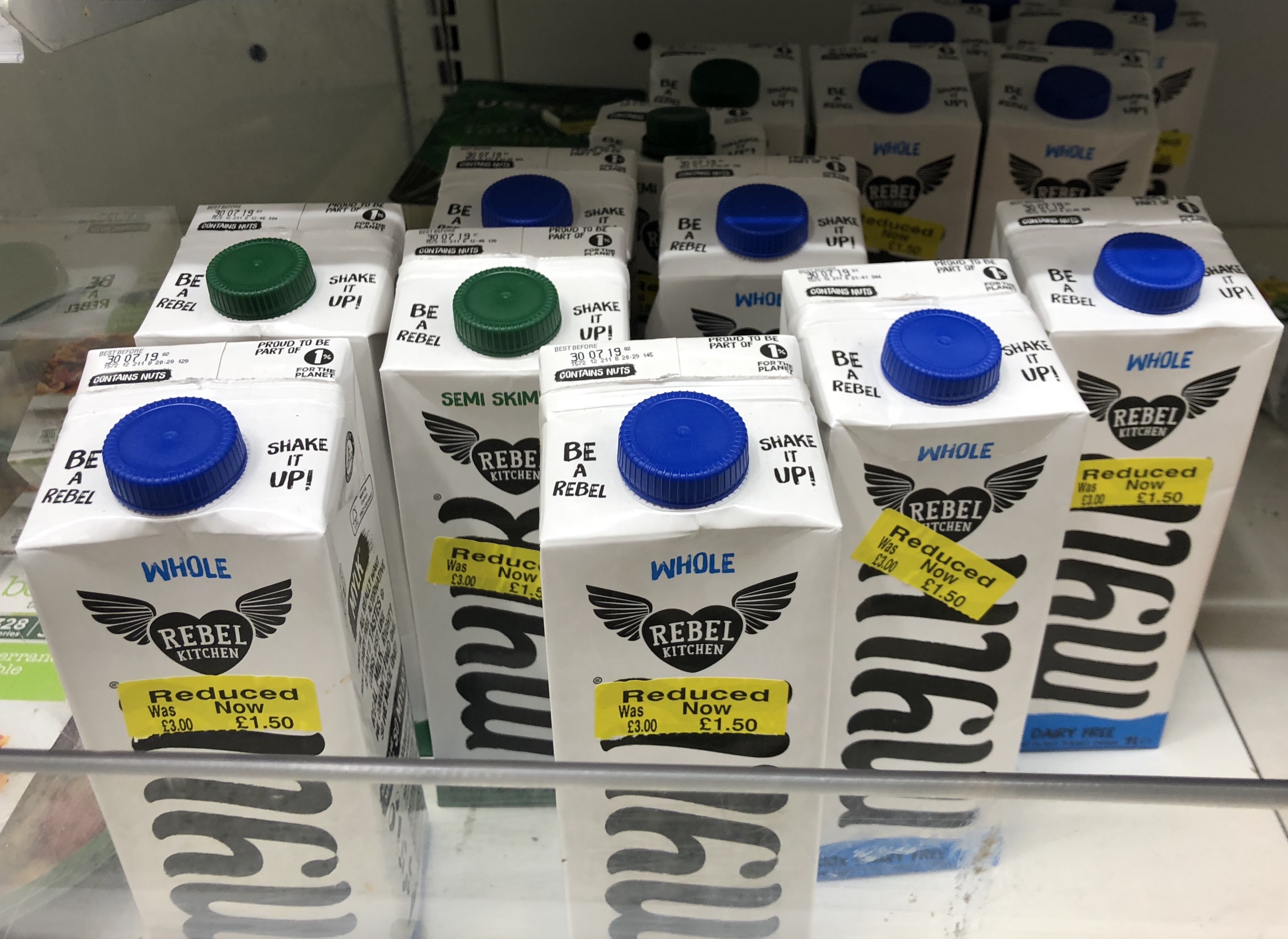 Apparently it’s World Vegan Month (WVM). This may come as a surprise to those who have adopted vegan diets, not out of choice, but simply because they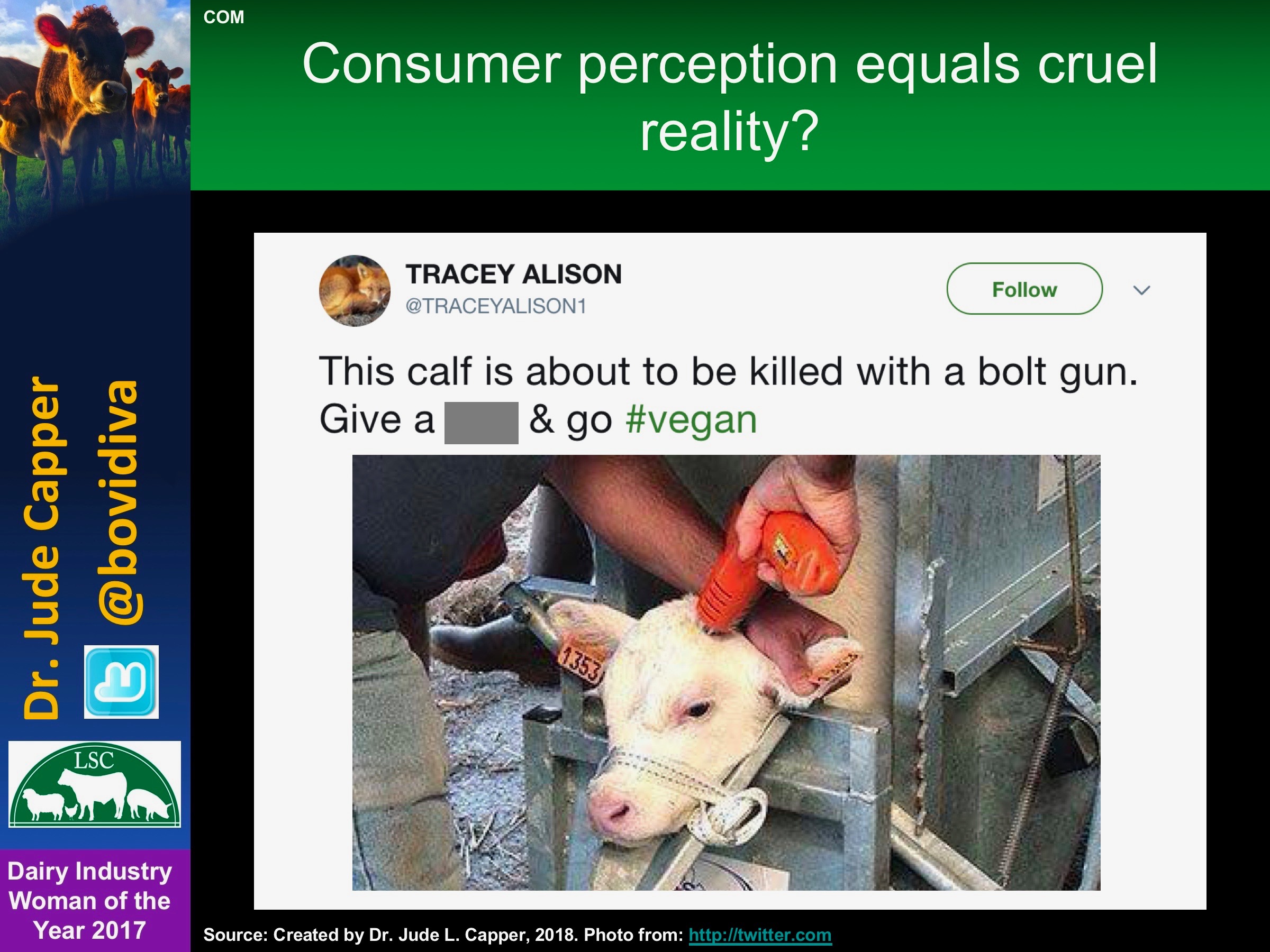

 Two weeks ago, I sat in the audience for the Semex conference and heard two different presenters talking about the increasing market for plant-based foods and the myths, mistruths and misconceptions that abound about dairy farming. As a scientist, I know that we need five pieces of positive information to negate every piece of negative information. Lo and behold, #Februdairy was born!
 It’s a simple concept, a campaign to celebrate all things that are wonderful about dairy – from cows to cheese, young farmers to yogurt.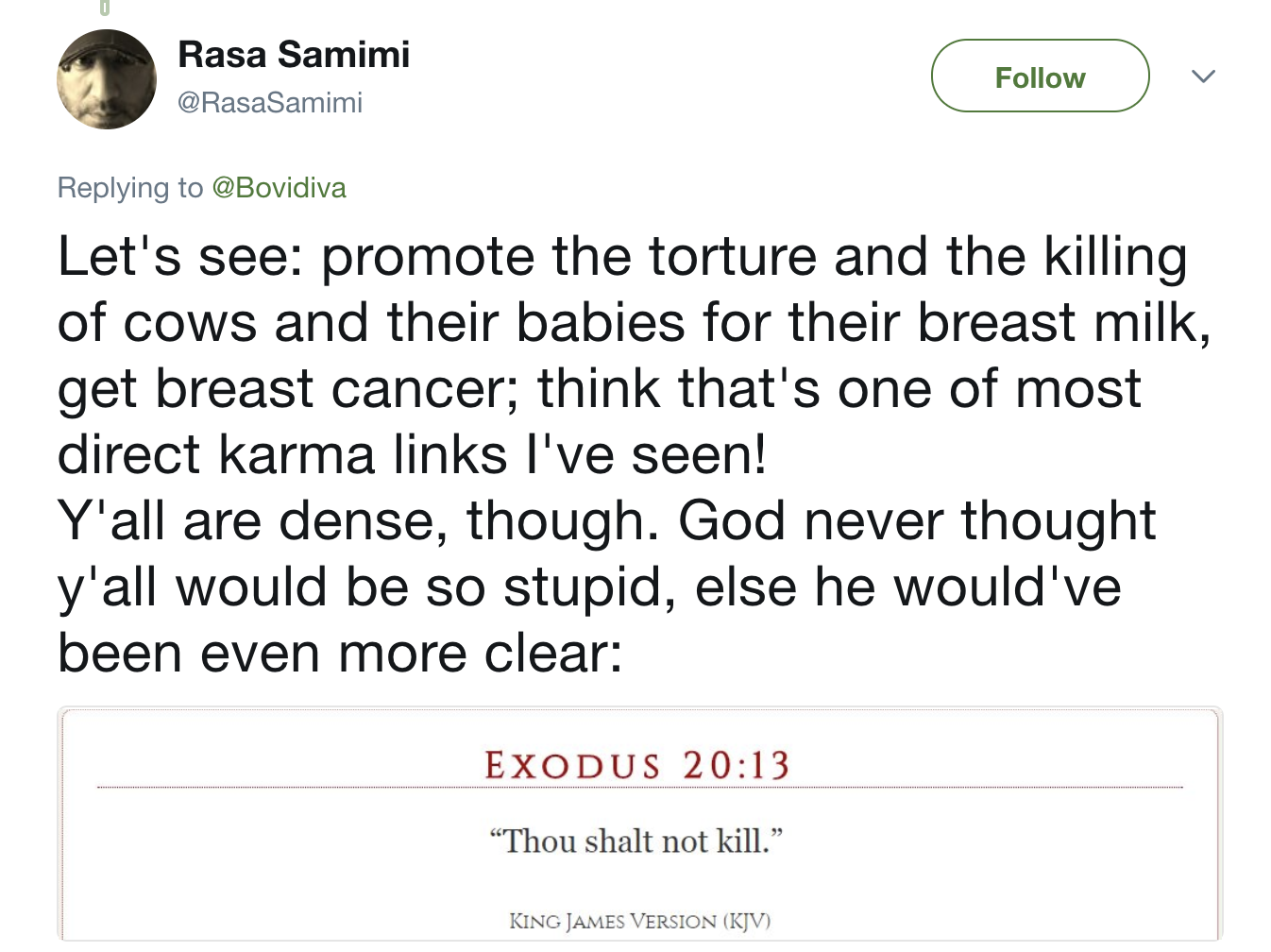
 We should not criticise anybody’s choice of food, diet or lifestyle – it’s wonderful that we all are free to make the choices that suit our beliefs and philosophies. If you don’t eat or enjoy dairy – that’s entirely your choice and it’s great that you have alternative foods that certainly weren’t around when I was a vegan 25 years ago!
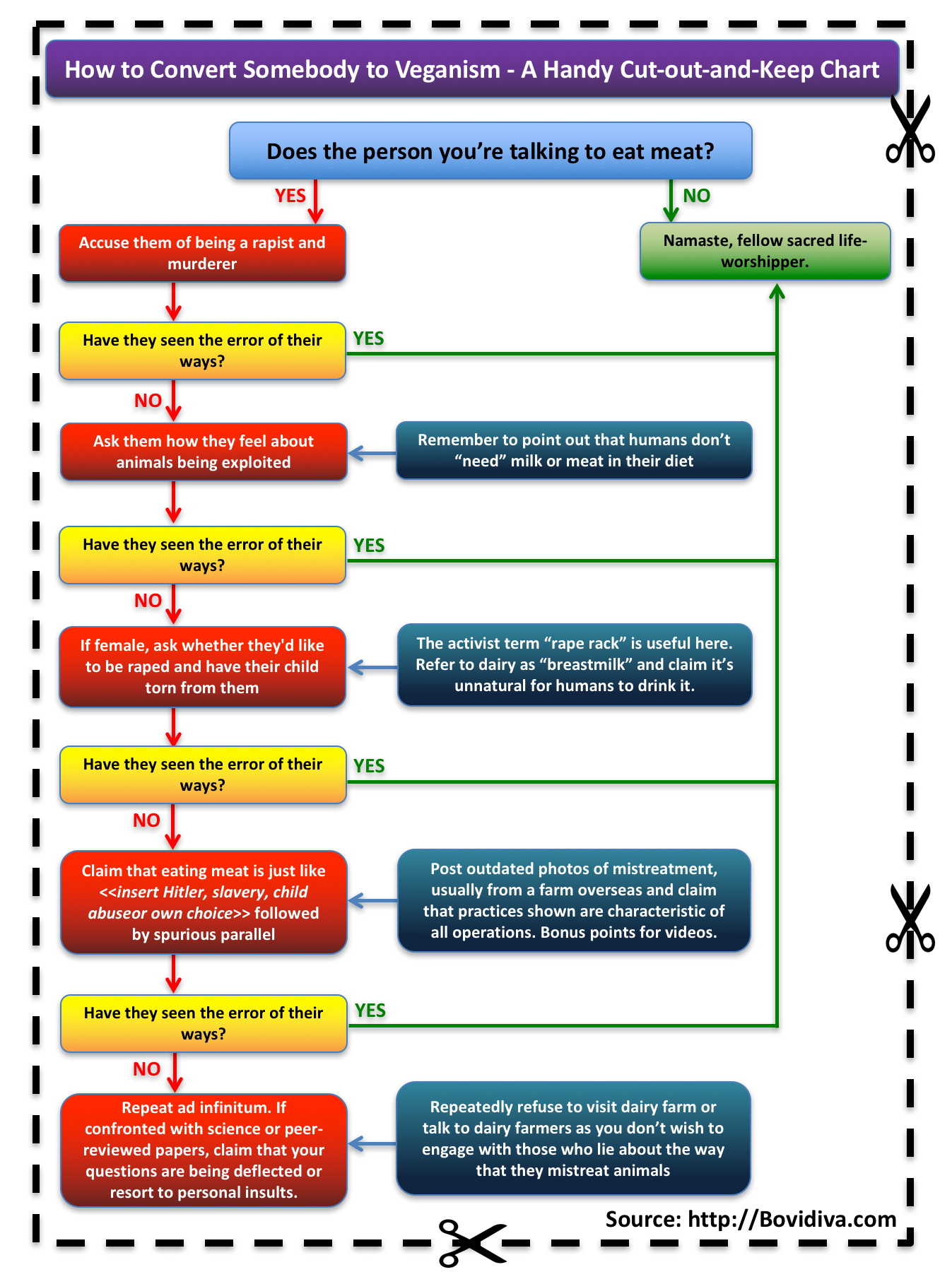 For example, is suggesting that we shouldn’t drink milk past-weaning because other animals do not, either upheld by science (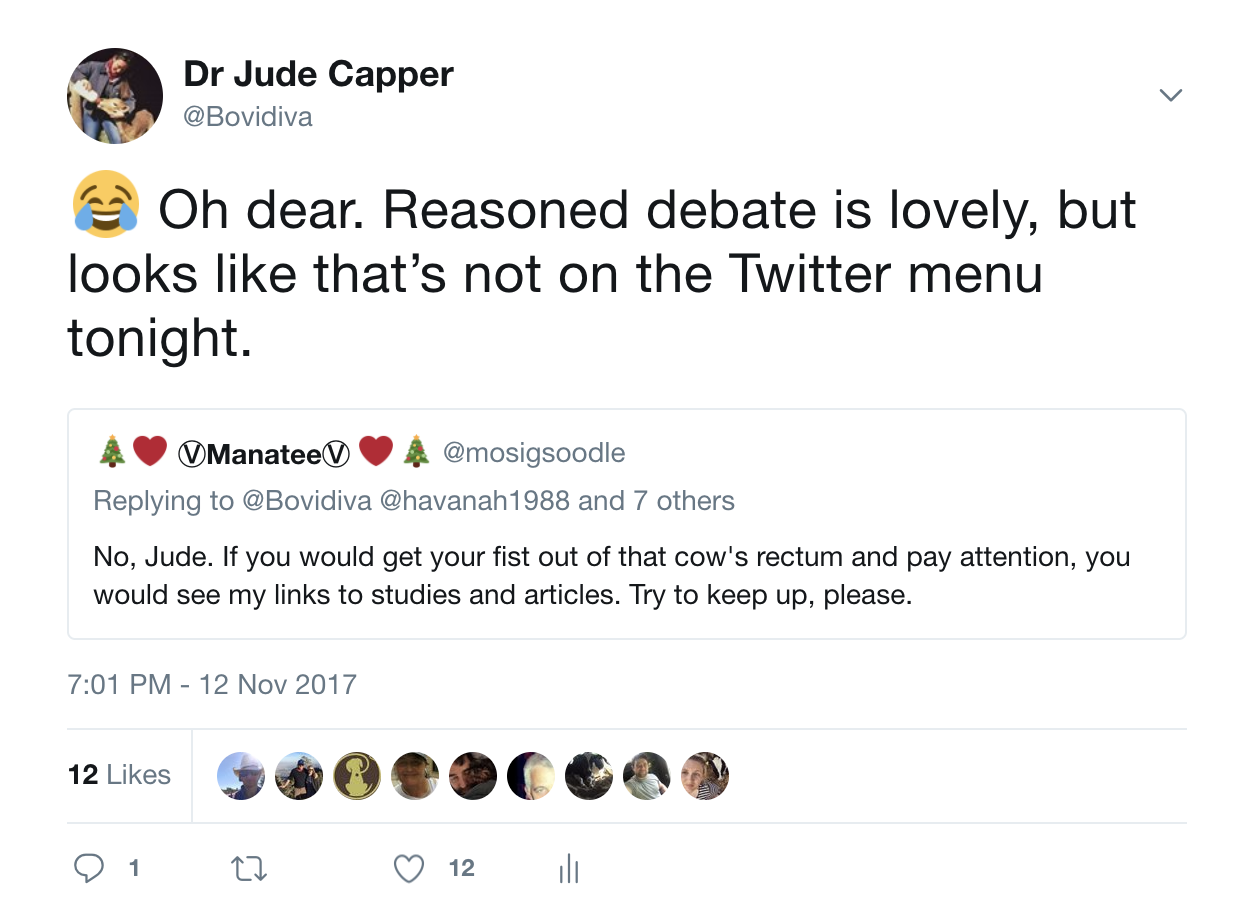

 The Advertising Standards Authority in the UK have just ruled that it’s
 Last week I was lucky enough to chat with the fabulous
  The award for the most emotive news story of today must surely go to the Guardian for its latest “comment is free” (i.e. op-ed) article on
 Bovidiva