Cows, Cows, Everywhere, and Not a Steak to Eat. What Happens if We All Become Vegan?

P3052365

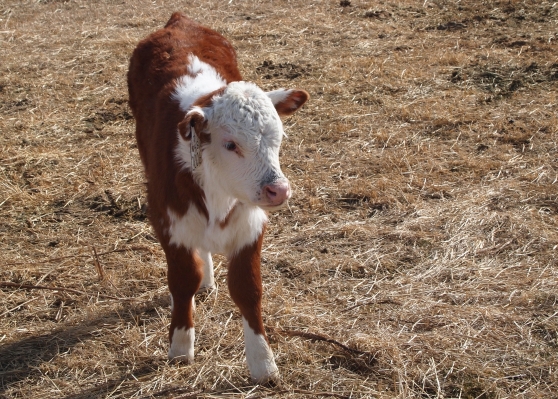
Hereford calf – innocent victim of our murderous lust for meat?

I have previously blogged about the potential impact of us all becoming vegan with reference to the U.S. beef and dairy industries, but given the recent haranguing of several Twitter friends (and myself) by some very passionate vegans, I thought it was worth updating the post for the UK livestock industry.

Let me make it very clear – I am totally happy for anybody to choose whichever diet they prefer: omnivore, vegetarian, vegan, flexitarian etc. No problem. I have to admit I find it interesting when people claim that they are vegetarian but that they occasionally eat meat (5% of Australians consider themselves as vegetarian but only 2% eat a meat-free diet!), but it’s great that we are able to choose from a wide variety of diets and foods. However, I get really irritated when people suggest (or insist) that I shouldn’t eat meat or fish because they believe that it’s morally wrong. Food has almost become a modern faith issue – the same intensity and fervour of 19th century missionaries trying to convert “heathens” is applied by the more activist vegetarians and vegans.

Meat-free Australia

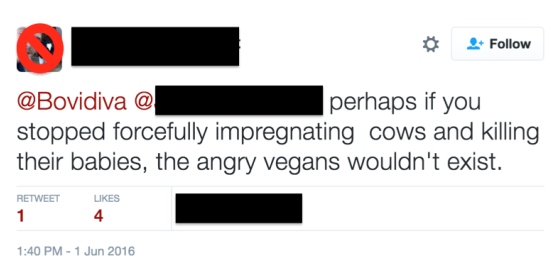
Interestingly, every single vegan I have conversed with on Twitter appears to believe that cattle only reproduce because they are forced to by the farmer. Accusations such as the one in the tweet below are common – because artificial insemination is regularly used within the dairy industry (although a significant proportion of dairy farmers also use bulls for natural service), cows are seen to be “forced” to breed, or even “raped”.
Angry vegan

So, if we as a vegan population did not eat milk, meat or eggs and did not “enslave” or control cattle, but instead turned them out to live a natural life, would they cease to breed? It’s a nice idea, but, it’s false. If a bull has access to cows in heat, he’s going to pursue that cow, even if it means breaking into the next field. Cattle don’t breed like rabbits, but bulls are rather akin to hormonal teenagers when responsive cows are in close proximity.

Anti-animal agriculture activists often purport that a cow can live for 20+ years in her “natural” state compared to a farmed animal – so being a data nerd, I did the maths. Let’s assume that we turn all the dairy cows out tomorrow, and the following assumptions hold true: 1) cows first calve at two years of age and that 75% of cows have a calf every year*; 2) 85% of those calves survive (calf mortality would increase because we would not care for (exploit?) new-born calves); and 3) each cow or bull lives for 20 years. Admittedly that doesn’t account for the cattle that would be hit by cars, or die from starvation through lack of available grazing in 5, 10 or 20 years time, but being good vegans, we’d feed them, right?
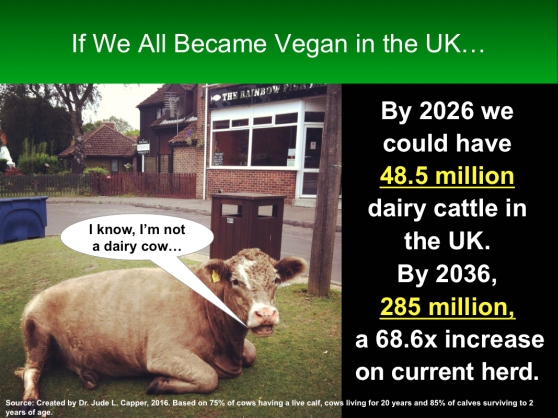
If we all became vegan - UK


We currently have ~4.2 million dairy cattle (1.9 million dairy cows, plus calves, heifers and bulls) in the UK. Within five years we’d have 19.2 million cattle in the UK, within 20 years we’d have 285 million – a 68.6-fold increase on our current national herd. That’s 68.6x more cattle belching methane, drinking water and producing waste, every single day, all as a result of our changing our diet in a misguided attempt to reduce environmental impact.


It’s a nice, simplistic, oft-suggested argument that we shouldn’t eat meat or dairy products in order to save the planet, yet the conflict between veganism, animal welfare, and environmental impact is clear. Climate change will be solved by us turning vegan? Not unless we reconcile ourselves to killing animals without eating them.

*75% would be a low calving % on a beef or dairy farm, but let’s assume that natural service in the wild is less efficient 
If We Can Replace Antibiotics with Homeopathy, then Cheese is the New Miracle Cure!

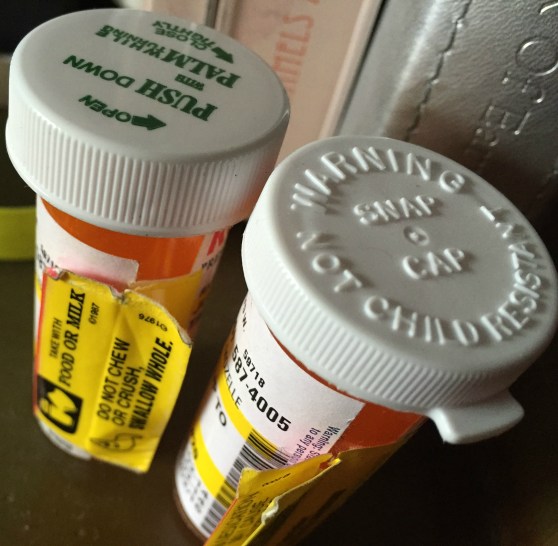
IMG_1903 cropIn the Guardian this week, HRH Prince Charles proposed homeopathy as a solution to antibiotic resistance, citing his “agro-ecological” farm as an example of one that has cut antibiotic use by using homeopathic treatments.

Given the concern over bacterial resistance to medically-important antibiotics, it is vital that we find alternatives. Yet they also must have a biologically sound mode of action and be proven to be effective. It is difficult to conceive how a solution so dilute that not one molecule of active ingredient remains, where the premise of the mode of action depends on water having a “memory” of the ingredient (as opposed to all the other contaminants within that water), can possibly have any verifiable impact on disease. Indeed, there are no studies to date that show positive, replicable effects of homeopathy compared to conventional treatment.

Personally, I have no issue with any alternative therapy has been shown to be an effective alternative to conventional drugs (note that homeopathy does not fall into this category). When I underwent chemotherapy for breast cancer, I had some reiki sessions. Did I believe that energy was being channeled by the reiki healer and making me better? Honestly, no. Would I have ever considered giving up the chemotherapy? Absolutely not. But the focused breathing and relaxation certainly helped with pre-chemo anxiety. Would taking Rescue Remedy or a similar homeopathic preparation have helped? If I’d believed that it would – yes, probably. But that is biased by the placebo effect – it’s not the same as the treatment being independently effective. One of the claims made for using homeopathic treatments in animals is that they are independent of the placebo effect – they don’t have the expectation that the tincture administered is going to cure their lameness or mastitis. Yet when we assess the results, it’s not the animal who’s reporting the success or failure of the homeopathic treatment, it’s the farmer.

So let’s examine a scenario. A farmer has two mildly sick cows (e.g. slightly lame, or unwilling to eat with a raised temperature) within the herd. Both are moved to the hospital pen, given fresh bedding, water and feed plus a homeopathic remedy. Cow A gets better – hoorah for homeopathy!  Cow B doesn’t and has to be treated with antibiotics – boo! Does this mean homeopathy works in 50% of cases? No. There’s no control treatment here, no evidence that Cow A wouldn’t have got better without homeopathy – some diseases just need time, TLC and the cow’s own immune system for recovery. Did the farmer cut antibiotic use? Yes – Cow A didn’t receive it. Yet again there is no evidence that this is due to the homeopathic treatment. How many times have we as humans debated whether to go to the doctor because of a minor ailment, then have found that it’s cleared up without medical treatment? It’s not miraculous, it’s simply our immune systems functioning as they are intended to.

In the absence of controlled experiments that compare homeopathic treatments to both conventional antibiotics and no veterinary treatment (save for good animal husbandry), it is disingenuous to claim that homeopathy is successful in treating bacterial disease or can effectively be used to replace antibiotics. We need to look to veterinarians and scientists when making decisions about animal care and treatment rather than relying on anecdotal data from those with royal connections. After all, HRH Prince Charles may have reduced antibiotic use on his farm, but I can also claim to have reduced antibiotic use in my household through dairy consumption – my toddler has a serious cheese addiction and has never had to take antibiotics. Hoorah – cheese is the new homeopathy!!*

(*obviously I am being sarcastic here for those who missed it, though the extent of cheese consumption and fact that she’s never had antibiotics are both entirely true)

Does Nature Really “Do Its Thing” on Organic Farms?

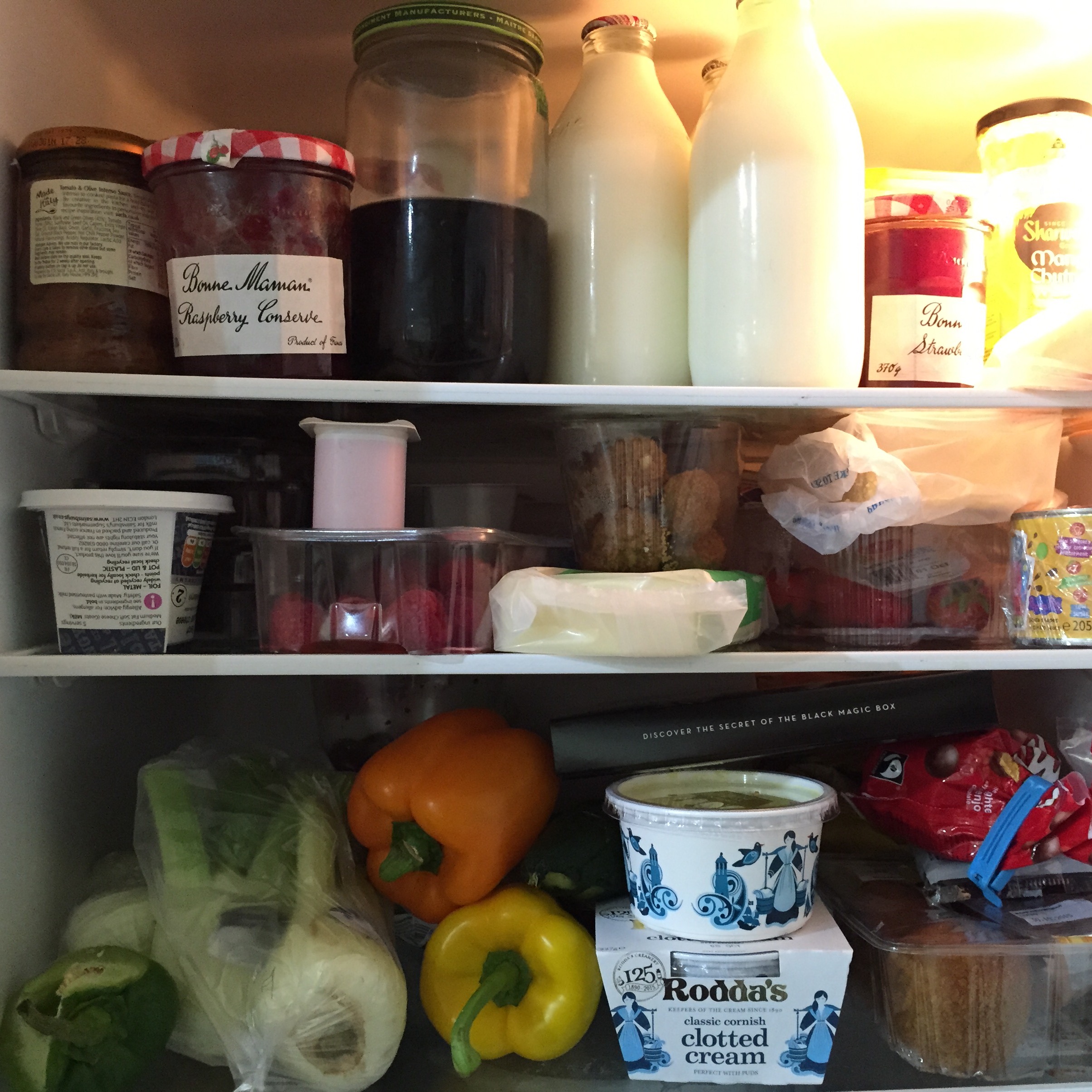
Fridge picI am lucky. My fridge is full of food: mostly produced in the UK or Europe; all nutritious, safe and affordable; and almost all produced on conventional farms, with a small amount of organic food (in my case, chocolate). Given that you’re reading this, I’ll hazard a guess that you are lucky too. 795 million other people can’t say the same thing – and feeding all the people on a planet where 1 in 9 don’t currently have enough food is, in my view, our biggest challenge.

The fact that we face this challenge makes me really irritated when celebrity chefs who could make a huge difference, bow instead to popular rhetoric. In his latest blog post, mockney chef and food pundit Jamie Oliver proclaims that “…organic food is natural food, where nature has been allowed to do its thing, and I’m sure most of us will agree that putting natural ingredients into our bodies is only going to be a positive thing.”

If we ignore the nonsensical claim that natural ingredients produce positive results (Really? Let’s examine puffer fish, solanaceae poisoning, dangerous fungi, absinthe, the many consequences of obesity…), let’s simply look at his claim that organic food is natural.  Except, well, it’s not. Agriculture first developed ~12,000 years ago, and ever since then farmers have been doing their best to breed crops and animals that are best suited to their farming system, whether it’s organic or conventional. Want dairy cows that produce high-quality milk from grazing pasture; leaner pork chops; or strawberries that can survive supermarket handling? You’ve got it. All achieved through traditional breeding techniques (otherwise known as “nature doing its thing”): noting that plant or animal A has desirable characteristics and breeding it with plant or animal B to (hopefully) produce better offspring. No scary chemicals, scientists with syringes or genes in test-tubes. Every farm in the world is founded on “nature doing its thing” – not just the organic farms. We can argue whether GMO crops are natural (breeding techniques are simply more refined and specific) or not (scientists playing god…) but that argument becomes redundant in the EU and many other regions, where GMO crops are not approved.

Can organic producers use pesticides? Yes, if they’re compounds approved for organic production (e.g. highly-toxic copper-based fungicides). Can they use antibiotics and wormers? Again yes, if a proven disease problem exists (note that rules differ slightly between the UK and USA). Are organic farmers just merrily sitting back and letting their crops cross-pollinate and reseed, and their bulls run around happily “doing their thing” to whichever cow they come across? No. It’s a beautiful bucolic image to suggest that organic farmers are happily working with Mother Nature whereas conventional farmers have an evil scientist sitting on one shoulder and a big agribusiness corporation on the other, but its simply not true.

According to Mr Oliver, “…the simple fact is that often we don’t actually have to interfere with nature.” The idea of a world where we could feed over 7 billion people without having to actually invest any research dollars into improving food production is lovely, but it’s smoke and mirrors. At the most basic level, what happens if we don’t “interfere” by controlling weeds (whether by chemicals, mechanical tillage or human labour)? Crop yields are reduced, food production goes down and we feed and clothe fewer people. What happens if a cow has problems giving birth? In nature, she dies. On a farm (whether organic or conventional) both she and the calf are saved, providing milk and meat for us to eat. According to the World Organisation for Animal Health, 20% of global animal protein losses are due to diseases for which treatments already exist – we simply need to make them available to every farmer worldwide. Just think how many more people we could feed if we interfered with nature in that way?

Huge amounts of research monies are invested each year to find ways to improve food production on both organic and conventional farms worldwide. Some are highly technical, others are simple, but all are contributing to the goal of feeding the world. Unfortunately, when food pundits jump on the “let’s promote system X” bandwagon as Mr Oliver has done with organic production, using persuasive but false arguments, we lose traction in fulfilling the real goal. Rather than arguing about which foods we can/should be buying, we need to accept that there’s a place for all systems; examine the ways in which all systems can improve soil fertility, animal health and environmental impacts; and make faster progress towards feeding the world while still enjoying our food choices.

Does Size Matter? Dairy Efficiency Becoming Paramount During Crisis

Media articles relating to agriculture appear to fall into two groups. Those relating to small-scale agriculture are glowing accounts of farmers wearing overalls and straw hats; lovingly taking care of the land and animals according to holistic principles; and selling their produce at the local farmers’ market. By contrast, commentary upon large-scale agriculture invokes images of corporate-controlled factory farms with blatant disregard for animal welfare and local community issues; blithely pumping animal manure into water courses.

To consumers, the majority of whom do not understand agriculture, but have questions about how their food is produced, the choice (as presented by the media) is clear. Small farms must be better for the environment, the economy and the local community. According to the Food and Agriculture Organisation of the United Nations (FAO), we need to sustainably intensify food production over the coming years in order to feed the increasing global population. For many however, the concept of intensification and high-efficiency production systems appears to be contrary to the holistic, small-farm philosophy.

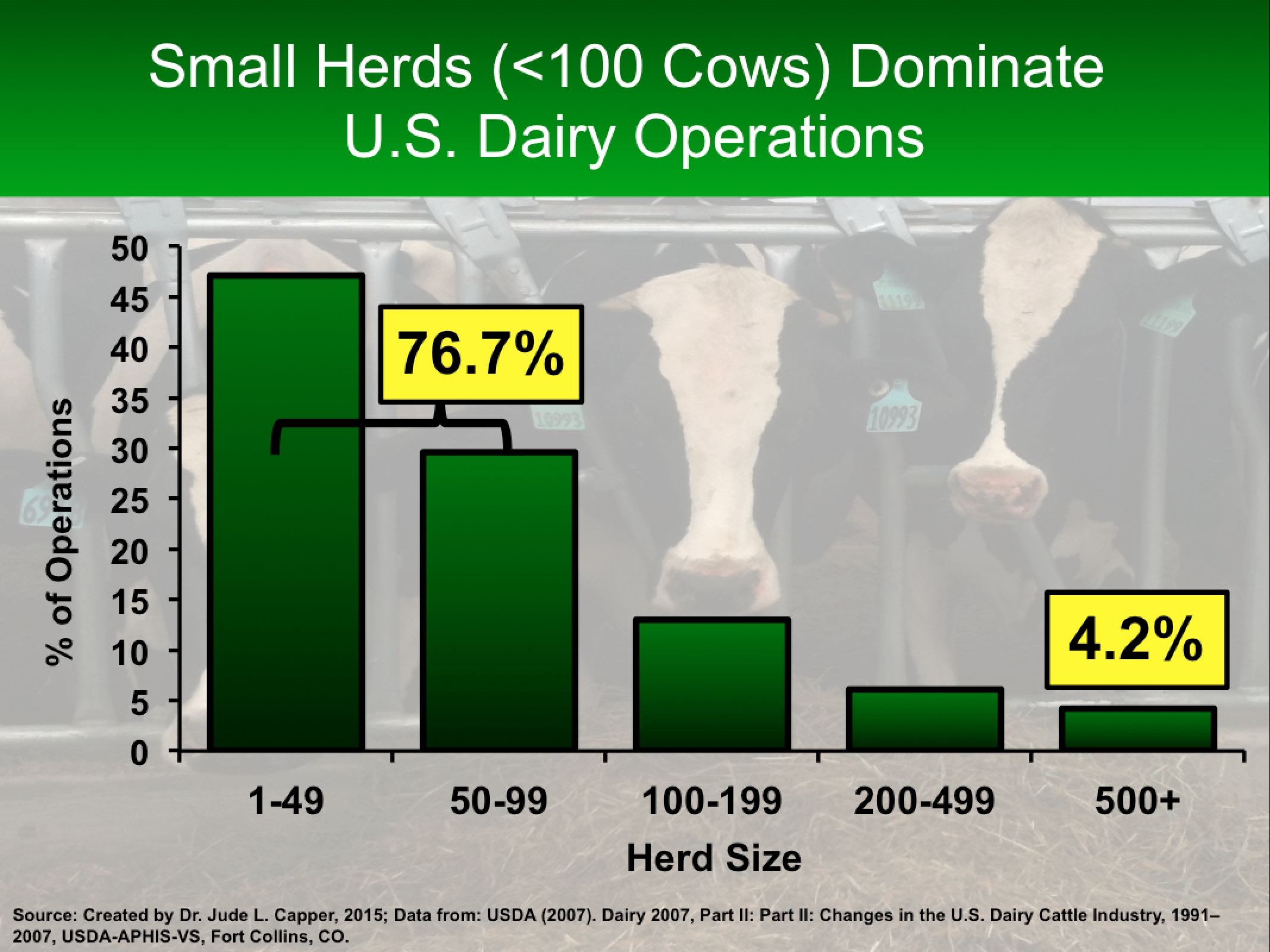
Small cows dominateI will be presenting at the “World Congress on Controversies and Consensus in Bovine Health, Industry & Economics” in Berlin later this week, and have been asked to debate the question “Are hyper-intensive, mega farms more efficient?” If we examine the science, the results are unequivocal.

To use the U.S. dairy industry as an example: over three-quarters (76.7%) of dairy farms have small herds (less than 100 cows) and only 4.2% are large, with more than 500 cows in the herd. Yet the contribution to total milk supply is disproportionate – those 76.7% of herds containing <100 cows produce only 13.7% of U.S. milk, whereas the 4.2% of farms with >500 cows produce 63.0% of U.S. milk. A 17% Large cows dominateincrease in milk yield per cow is exhibited in large herds compared to small herds – does this mean that so-called mega farms are more efficient? Yes. They have a higher output of milk per unit of input. Data from the FAO also shows that as milk yield increases, the carbon footprint (and other resource use impacts) per unit of dairy is reduced.

Yield per cow and herd size (metric)Does this mean that large herds are better? Not necessarily. There’s no measure of animal health, worker conditions, or community support in these data. Yet these issues are size-independent. It’s possible to have poor animal health or worker conditions on a small farm, just as it is on a large farm. I’ve seen some great small operations, but also visited amazing large farms, including a 1,200 cow dairy in SE England where I was extremely impressed to see that they had a hospital pen to segregate sick cows from the rest of the herd, and that it only contained 12 cows. A 1% morbidity rate. How would that compare to the average human workplace, school or city?

Size isn't importantIs there an ideal farm or herd size? A blueprint to lead the global dairy industry during the current crisis? No. Dairy farms vary considerably – it would be foolish to suggest that there is only one sustainable way to produce milk (although this approach is often taken by certain NGO groups). However, one thing is clear. As we approach a global population of 9.5+ billion people in 2015, we need to stop vilifying large farms and worshipping small farms, and instead promote efficient, well-managed, productive farms that can survive the crisis, regardless of size. As the saying goes – it’s not size that matters, it’s what you do with it that counts.